Old walls, new life
The Kloster Hornbach is a labour of love. In 2000, the Lösch family brought these historic walls back to life – with a deep respect for the past, courage for what’s next, and a wholehearted passion for hospitality. Today, Christiane and Edelbert run the hotel together with their daughter Franziska, creating a place for people who appreciate exceptionality.
Our Team
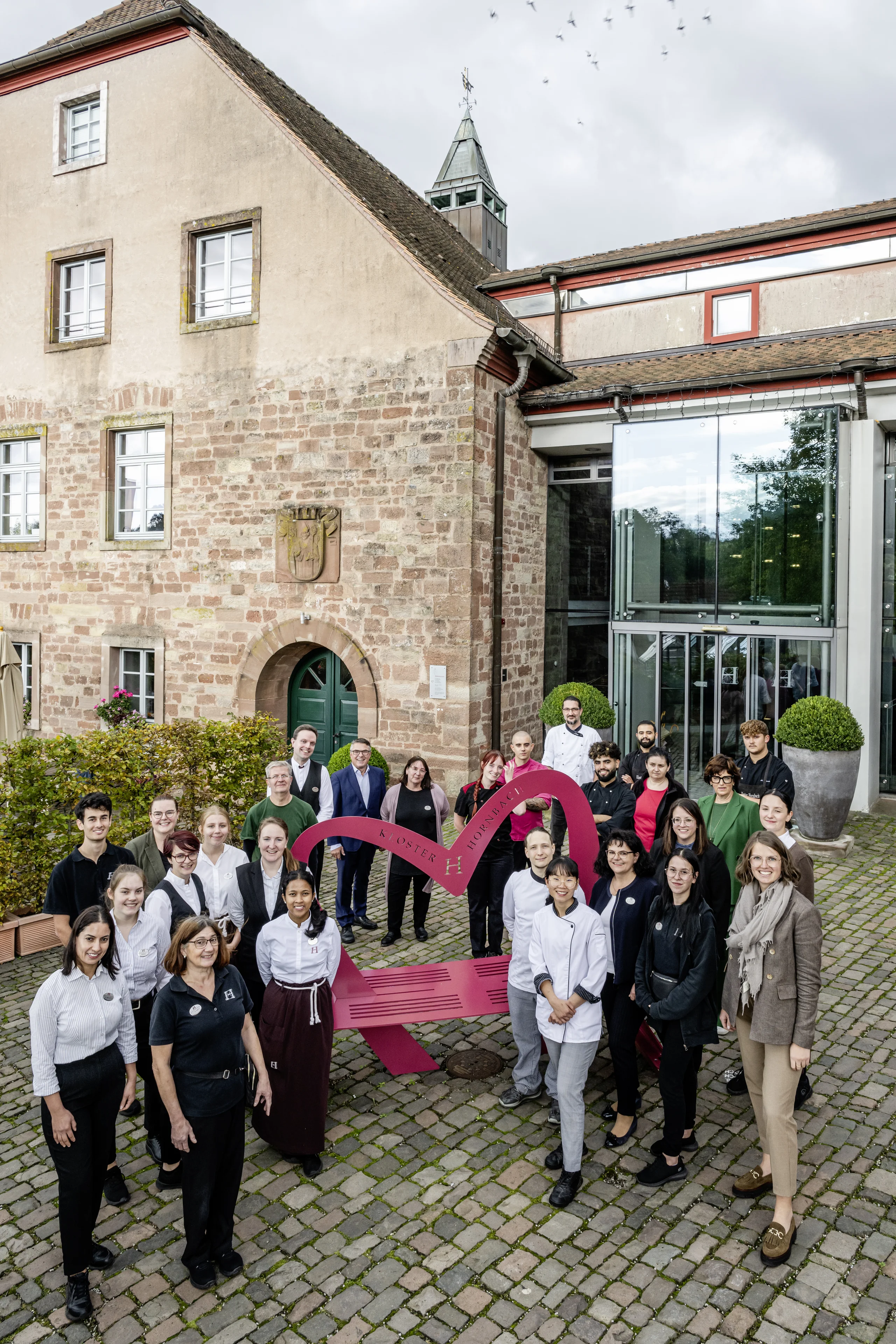
When you arrive at the Kloster Hornbach, you feel it straight away: in this place, you – and your needs – come first. A warm smile at reception. A small welcome gift waiting in your room. A glass of wine at exactly the right moment. Our team of 75 dedicated staff members is here to help you feel at ease, with attentive service and a perfect sense of timing.
Our values
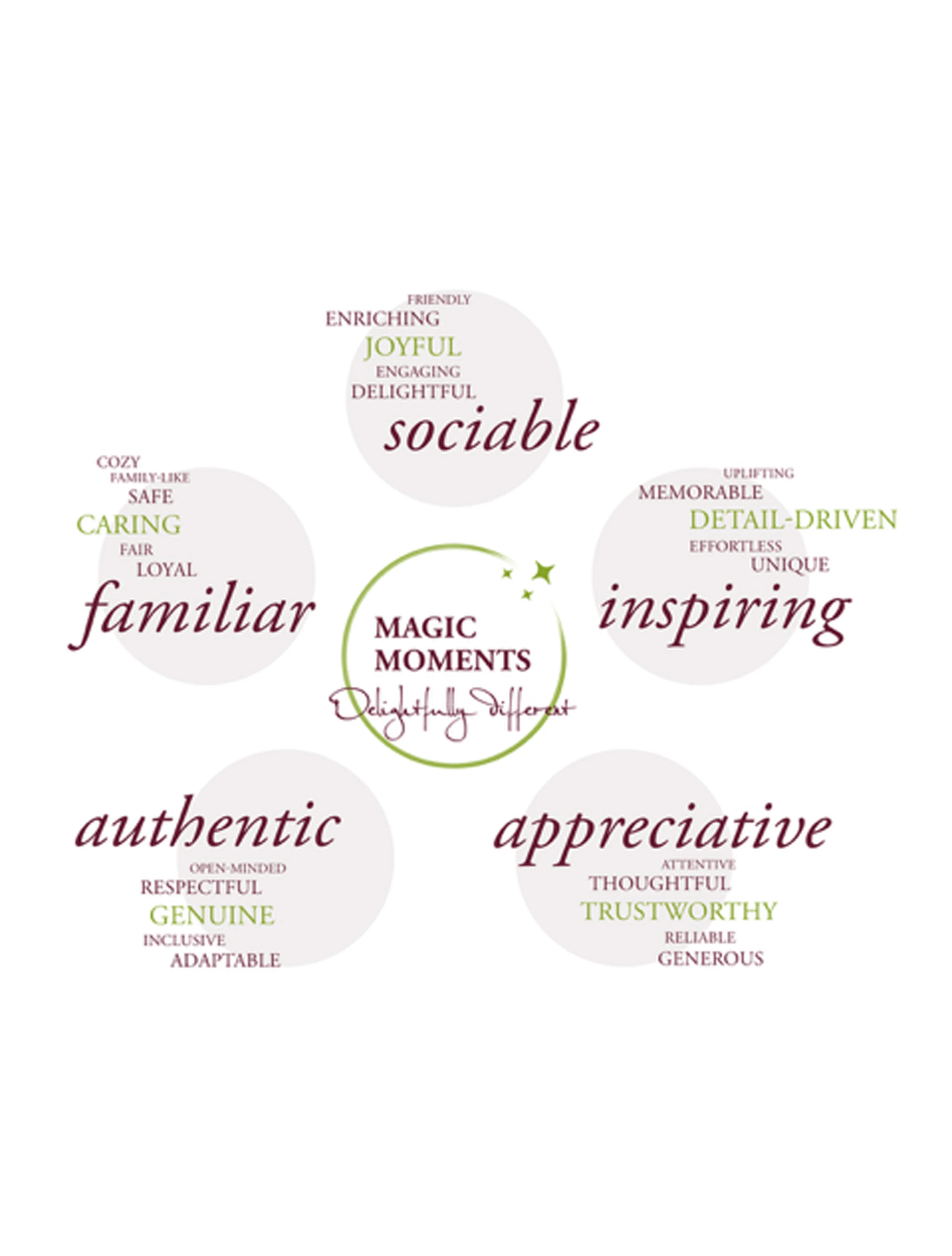
What makes a place more than just a hotel? It’s the people who fill it with life. And the values with which they do so.
At Kloster Hornbach, everything revolves around genuine encounters and moments that linger in the memory. We want you to feel that this place is all about you. Whether at breakfast, when we take time for a chat, at dinner, when we know your preferences, or simply when passing by in the cloister: we see you as a person, not a room number.
This attitude permeates everything we do. It’s evident in the little touches we think of, in the way we respond to your wishes, and in the atmosphere that arises when people feel truly welcome.
That’s what we stand for. Every day anew.
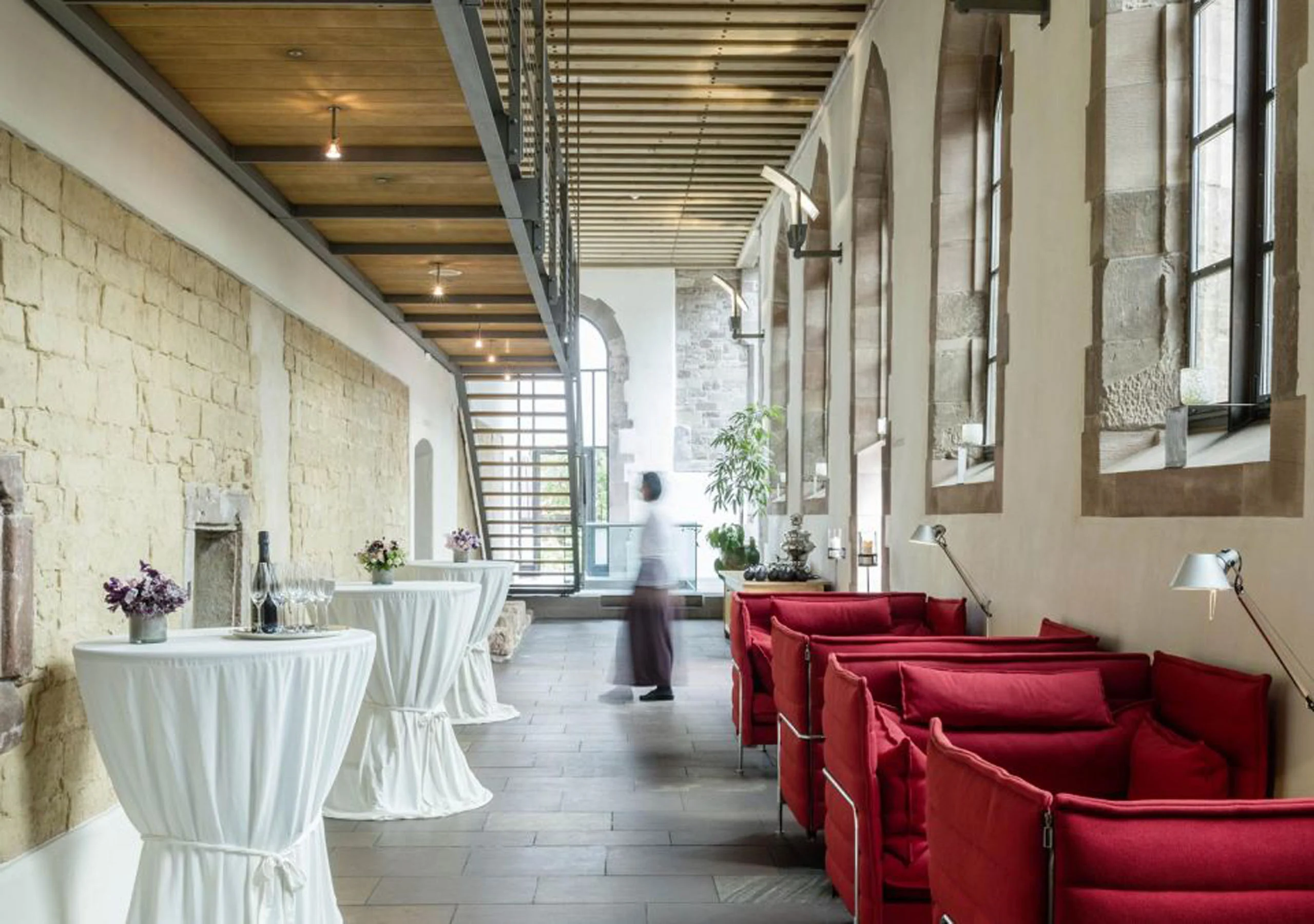
History comes to life
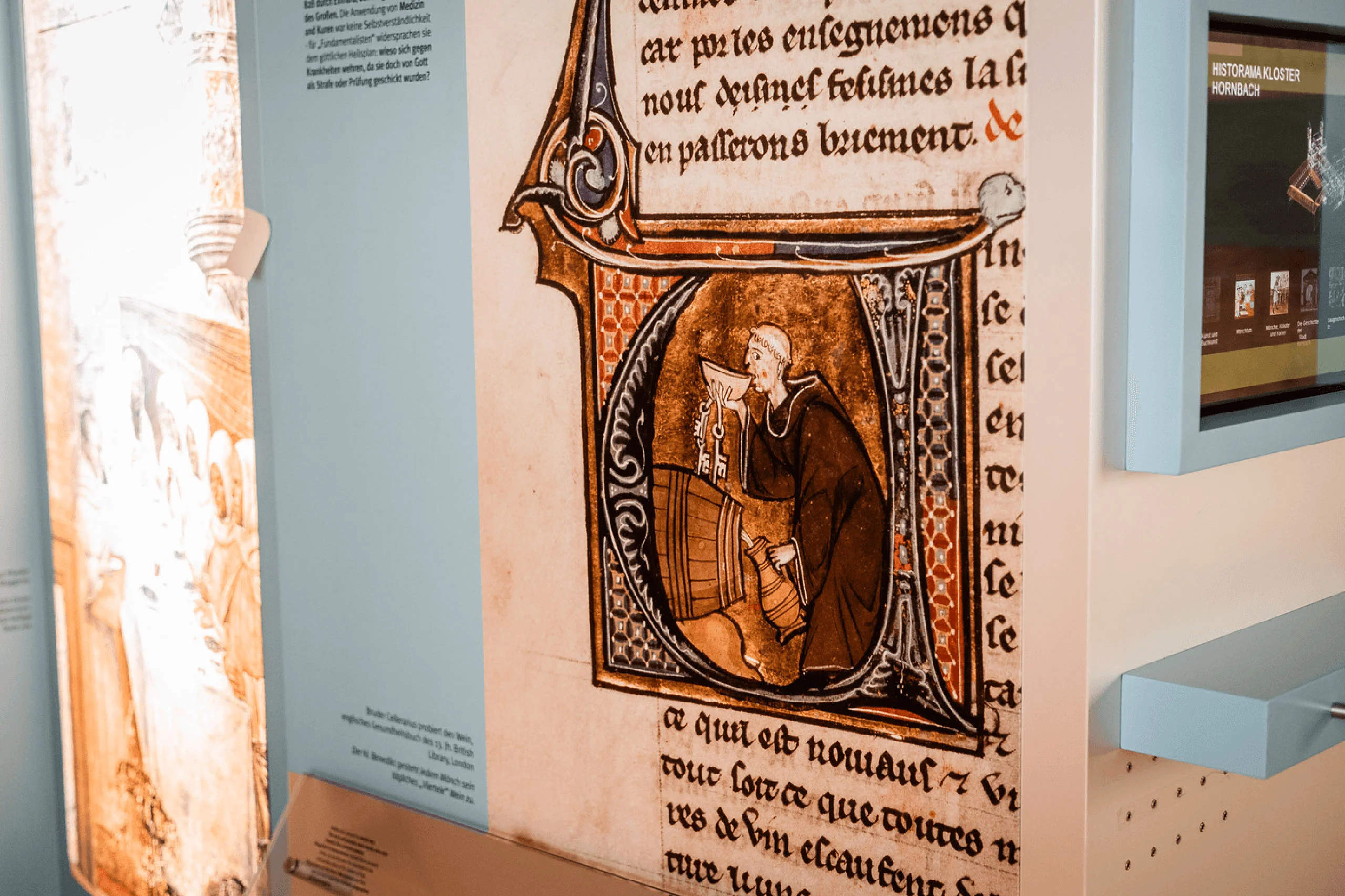
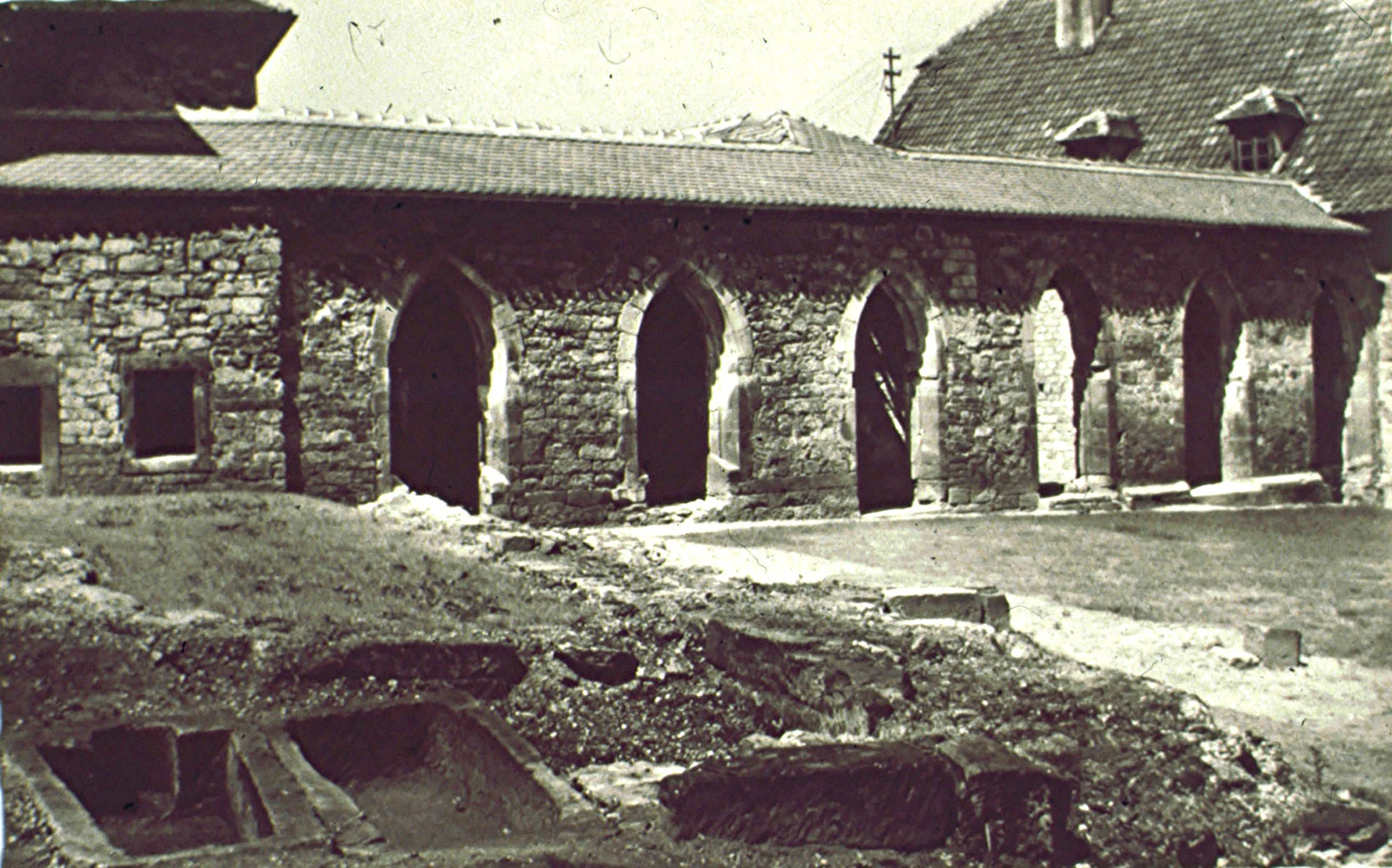
Step into the cloister of this former Benedictine monastery and feel a quiet power wash over you. Deep tranquillity. Serene calm. These ancient walls carry 1,250 years of history. Immerse yourself in this special place.
The Kloster Hornbach through the ages
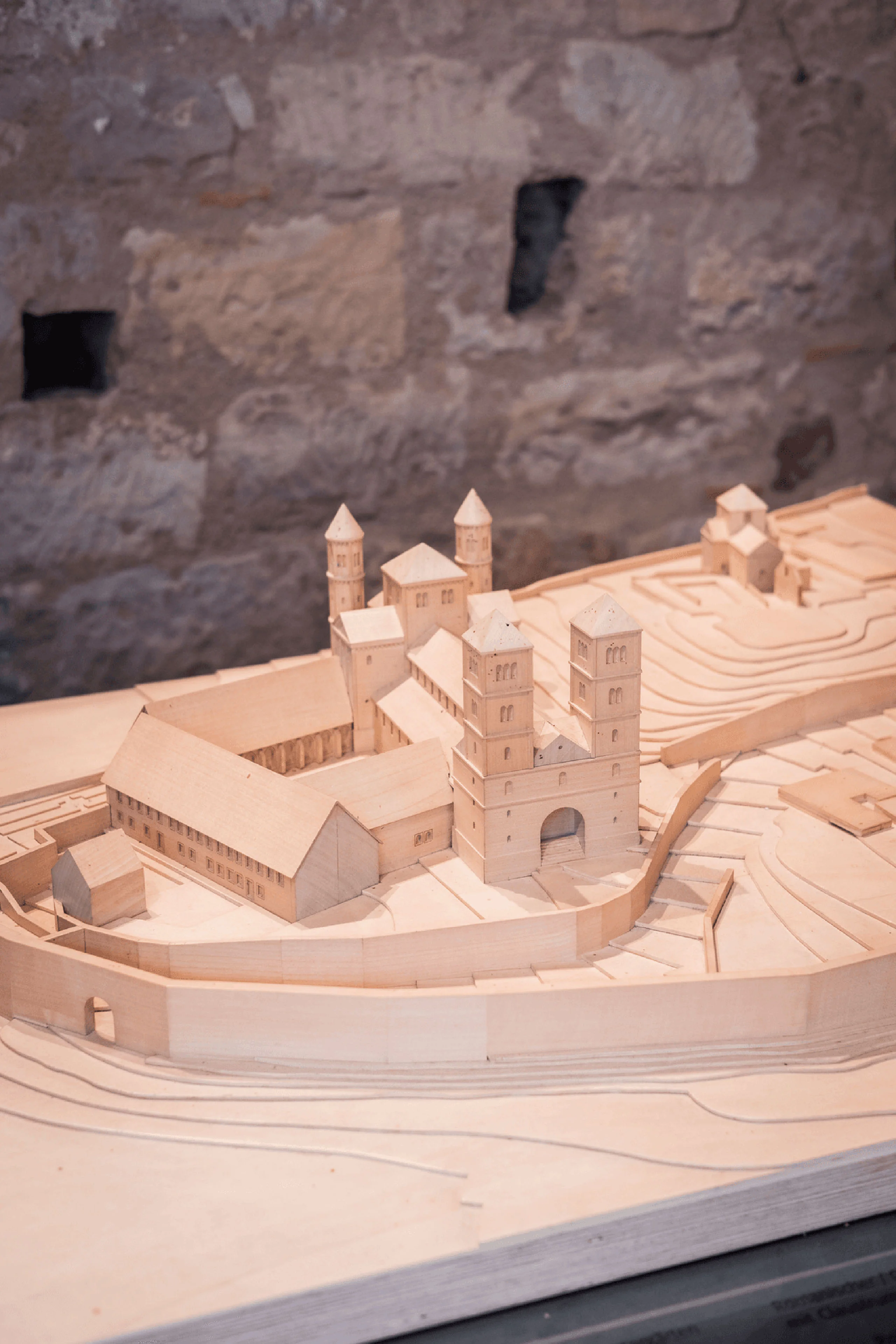
Pirminius founded the Kloster Hornbach. At the time, it most likely consisted of a single-nave hall church with an apse, with further buildings surrounding the church.
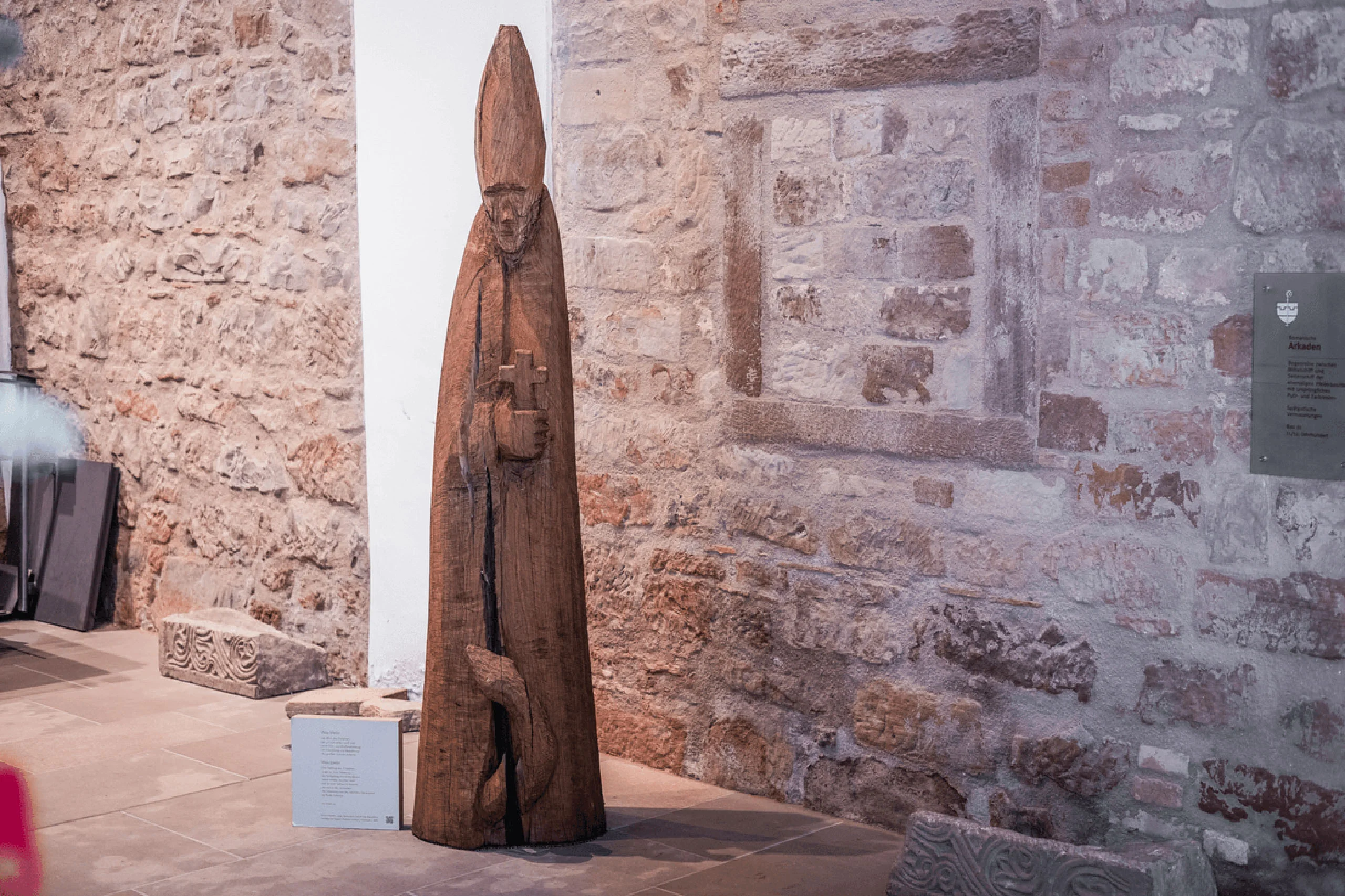
Pirminius died and was buried at the abbey. He was later canonised. A golden age followed, during which the abbey quickly became the region’s religious, spiritual, and cultural centre.
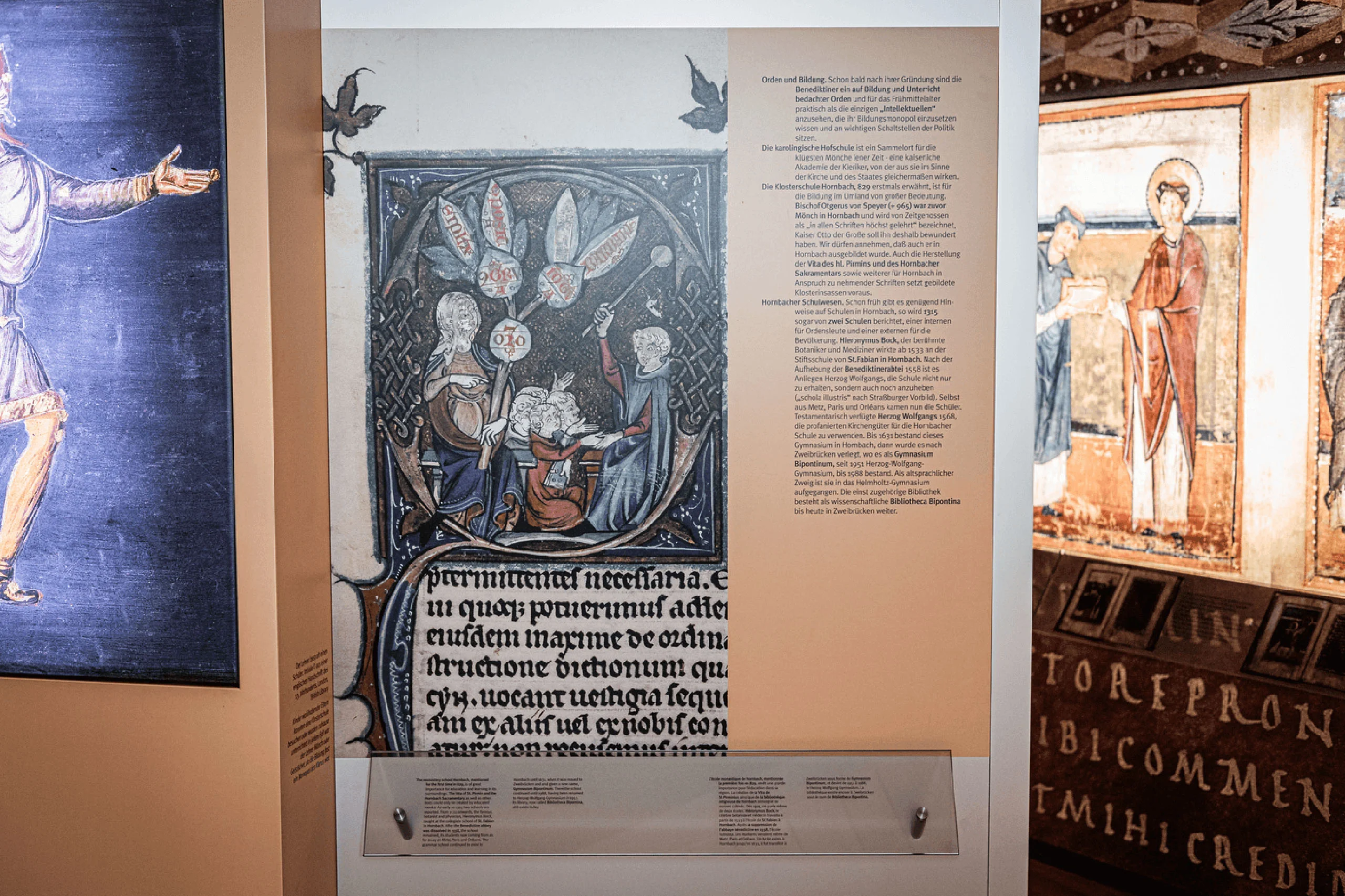
A monastery school was built, where sons of the nobility were educated in languages, religion, and secular sciences. This brought the monastery considerable prestige among influential figures and rulers.
The relics of Pope Fabian were recorded as being kept in Hornbach.
Emperor Henry designated the abbey as a Salian proprietary monastery.
Henry V granted the monastery the right to mint coins.
Pope Gregory X placed the town of Hornbach under papal protection.
Emperor Charles IV granted Hornbach its town charter.
Hieronymus Bock, a pioneer of herbal medicine, was appointed canon at St Fabianstift.
Duke Wolfgang of Zweibrücken dissolved the abbey.
A Protestant state school was established in the monastery buildings, later becoming the Herzog-Wolfgang-Gymnasium (a grammar school in Zweibrücken). St Fabian’s Church was converted into the rector’s residence.
Church officials transferred Pirminius’s remains to the Jesuit Church in Innsbruck. Today, a plaque marks the original burial site.
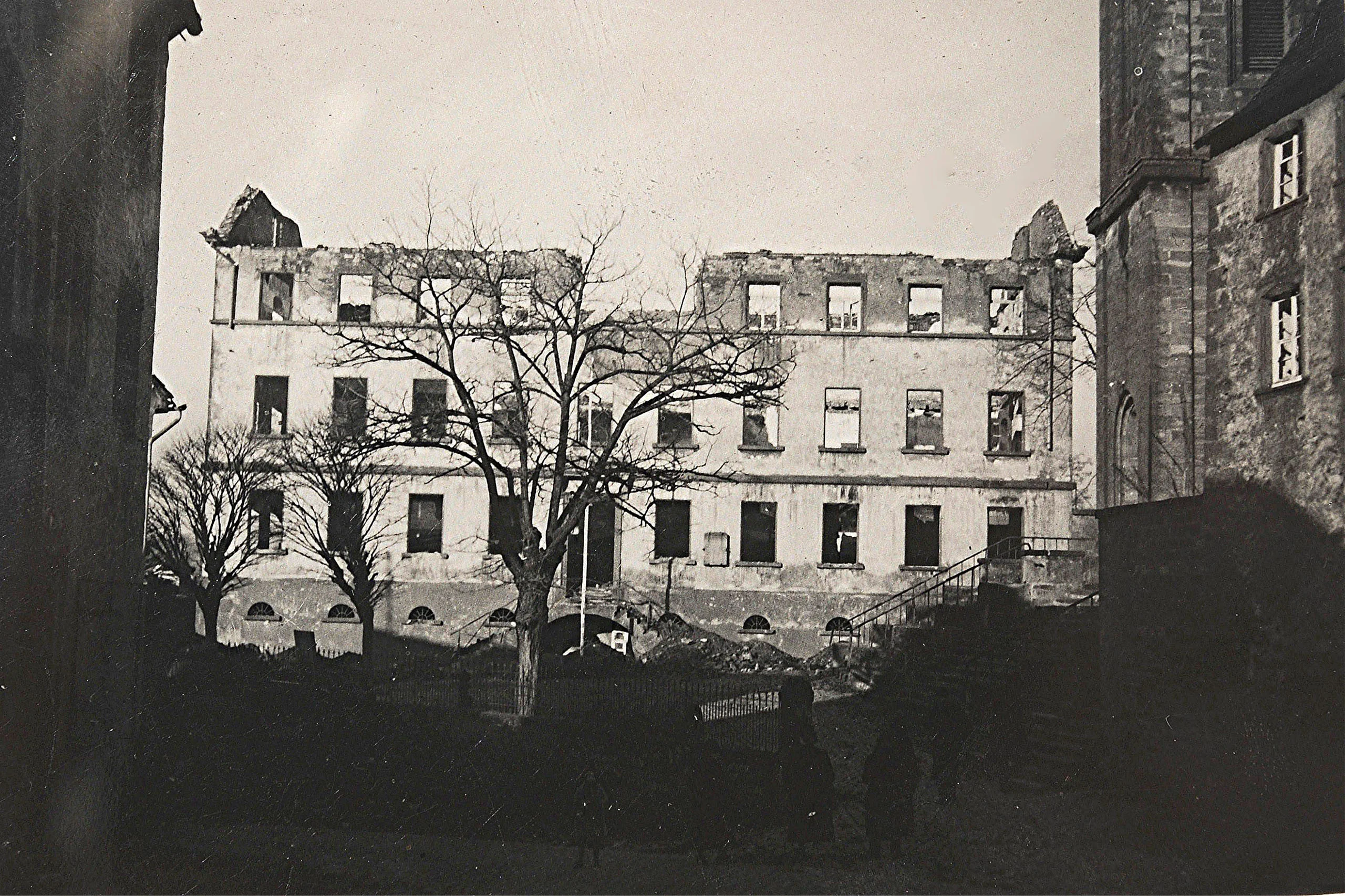
Parts of the town and monastery were burned down by French troops.
Following the French tradition, a liberty tree was planted in the market square.
The railway line to Hornbach opened.
A memorial was built over Pirminius’s grave.
The town of Hornbach was included in Rhineland-Palatinate’s urban development funding programme.
Restoration work commenced, including on the northern cloister and St Fabian’s Church.
The restored St Fabian Chapel was inaugurated.
Renovation work began on the former Benedictine monastery to convert it into a 4* superior hotel.
The Kloster Hornbach re-opened as a hotel under the Lösch family’s management.
The Boutique Hotel Lösch opened its doors.